About Us
Lorem ipsum dolor sit amet, consectetur elit, sed do eiusmod tempor incididunt ut labore et magna aliqua. Ut enim ad minim veniam laboris.
Lorem ipsum dolor sit amet, consectetur elit, sed do eiusmod tempor incididunt ut labore et magna aliqua. Ut enim ad minim veniam laboris.

How Tyre Maintenance Saves Costs in Logistics Fleets
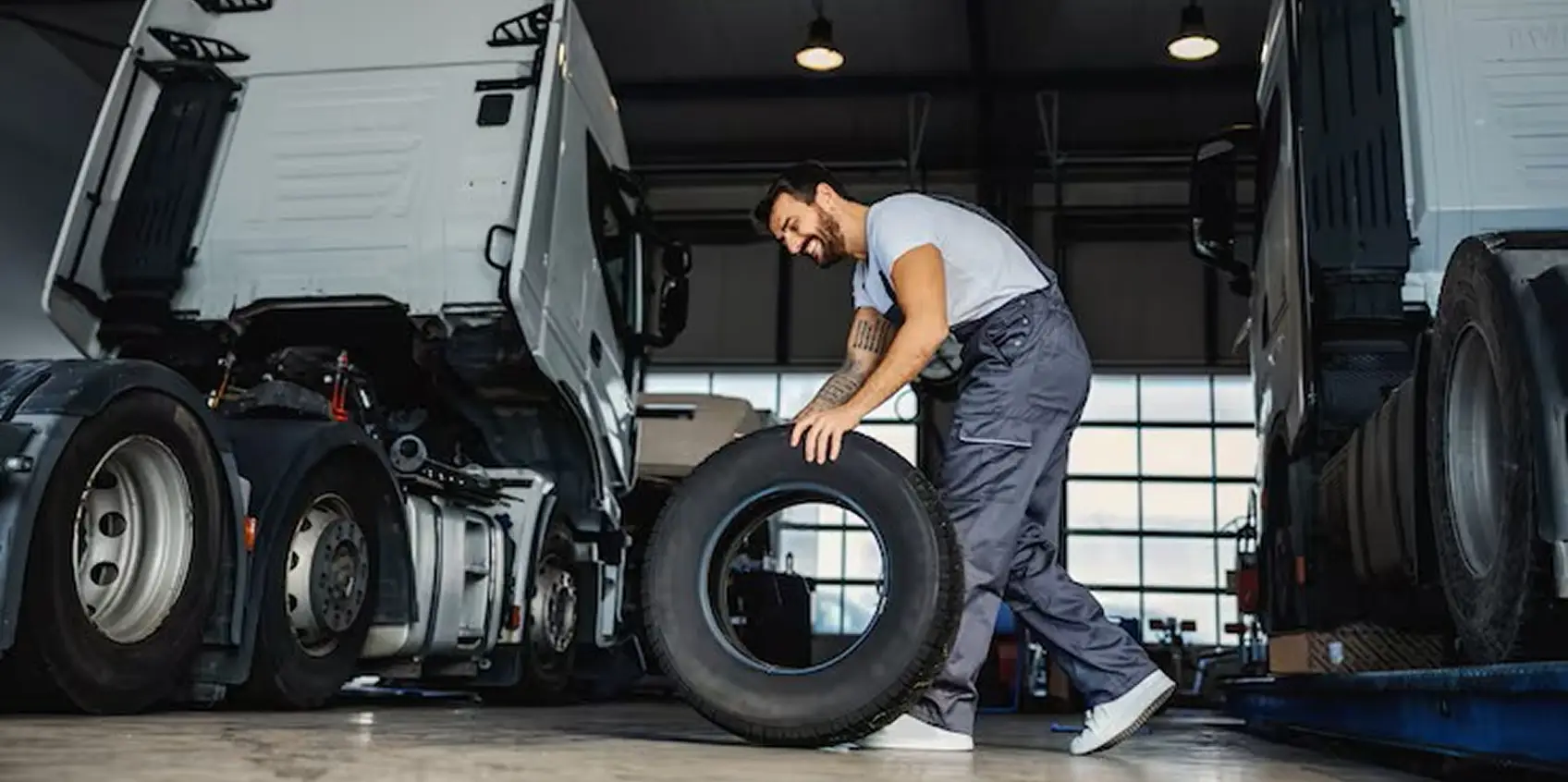
In the logistics industry, tyres are not just an expense-they’re an investment. For trucks, buses, and commercial fleets, tyres account for nearly 20–25% of total maintenance costs. Poor tyre management doesn’t just wear out rubber faster; it increases fuel consumption, downtime, and even accident risks.
The good news? With proper tyre maintenance, logistics companies can save millions annually while ensuring safety and efficiency.
Fuel Efficiency and Rolling Resistance
Tyres directly affect fuel consumption.
👉 For a fleet of 100 trucks, this means huge annual fuel savings.
Extending Tyre Life
Fleet tyres are expensive, but premature wear makes them even costlier.
👉 Longer tyre life = fewer replacements = reduced expenses.
Preventing Costly Breakdowns
A truck stranded due to a tyre blowout doesn’t just need a repair; it also causes:
Routine inspections (checking tread depth, cracks, and bulges) help detect issues early, avoiding breakdowns and saving both money and reputation.
Safety and Accident Reduction
Poor tyres are one of the leading causes of fleet accidents. Accidents result in:
Maintaining tyres reduces skidding, blowouts, and braking distance-keeping drivers, goods, and roads safe.
Digital Tyre Monitoring for Fleets
Modern fleets use TPMS (Tyre Pressure Monitoring Systems) and IoT-based tyre sensors to track:
These tools prevent human error, provide alerts, and optimise replacement schedules-saving costs in the long run.
Environmental Benefits (Cost Saving Too)
In logistics, every rupee or dollar saved per kilometre adds up significantly across a fleet. Tyre maintenance isn’t just about tyres-it’s about fuel, safety, uptime, and customer satisfaction.
👉 By implementing structured tyre care programs, logistics companies can: