About Us
Lorem ipsum dolor sit amet, consectetur elit, sed do eiusmod tempor incididunt ut labore et magna aliqua. Ut enim ad minim veniam laboris.
Lorem ipsum dolor sit amet, consectetur elit, sed do eiusmod tempor incididunt ut labore et magna aliqua. Ut enim ad minim veniam laboris.

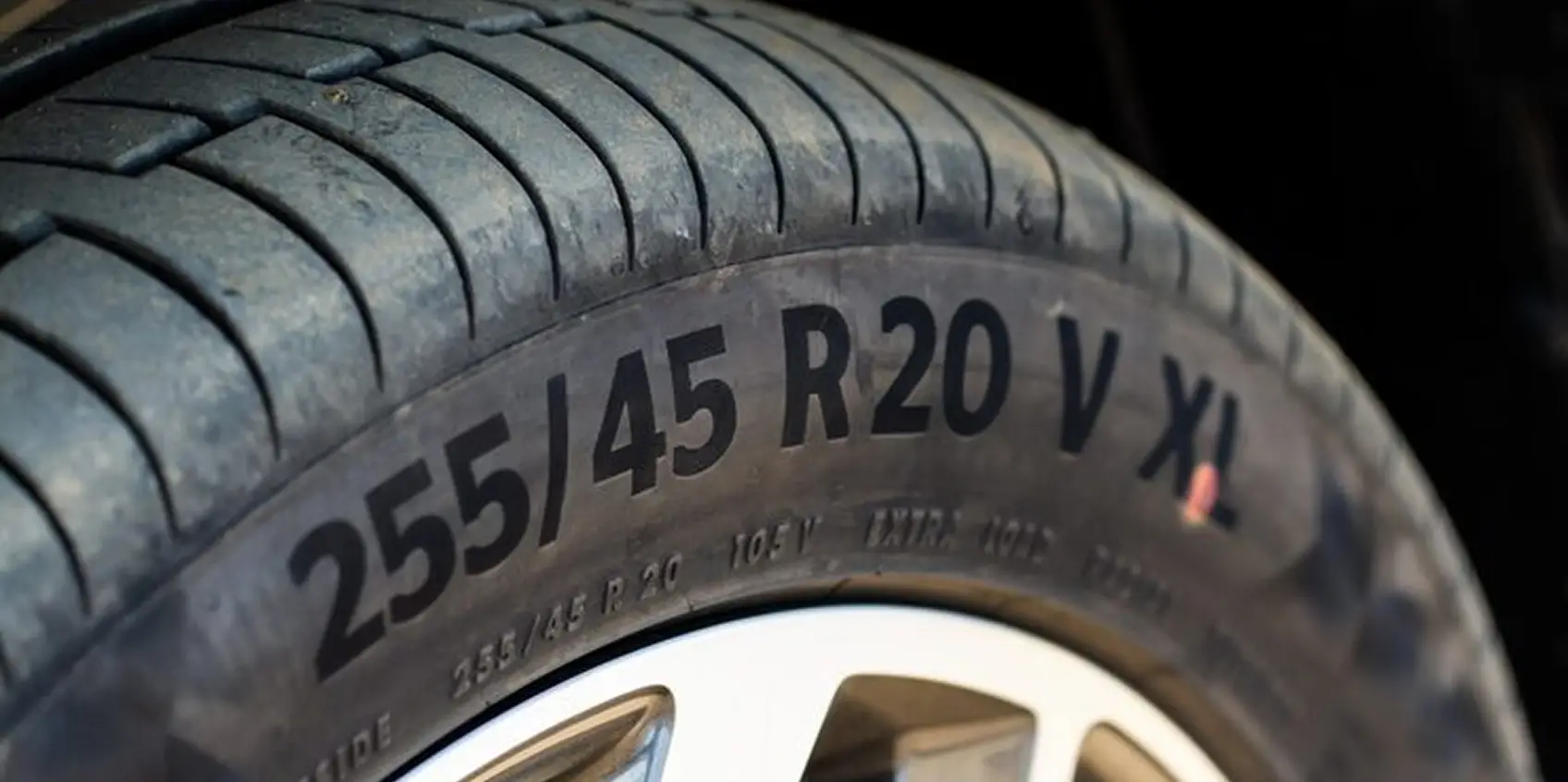
Understanding Tyre Codes and Markings
When you look at the sidewall of your tyre, you’ll notice a series of numbers and letters like 205/55 R16 91V. To most drivers, it looks like a confusing code. But in reality, these markings tell you everything about your tyre’s size, performance, and safety limits. Let’s break down what tyre codes mean and why they matter.
Tyre Size Example: 205/55 R16 91V
205 – Tyre Width
55 – Aspect Ratio
R – Construction Type
16 – Rim Diameter
91 – Load Index
V – Speed Rating
Other Common Markings
Why Tyre Codes Matter
✅ Ensures you buy the right replacement tyre.
✅ Helps maintain proper load capacity and speed safety.
✅ Prevents fuel wastage and uneven wear.
✅ Avoids mismatched tyres that can affect braking and handling.
Understanding tyre codes and markings isn’t just for car enthusiasts-it’s essential for every driver. The numbers and letters on your tyre tell you exactly what your vehicle needs in terms of size, load, and performance.
👉 Next time you’re buying tyres, check these codes carefully to make a safe and smart choice.